Virtual Social Anxiety
Support for Online Learning
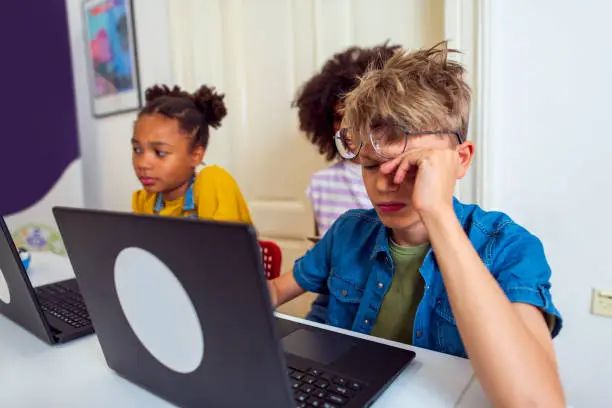
We can all relate to feeling nervous or anxious, child or adult. Social settings, whether in the virtual space or a physical “meet-up”, seem to be a significant cause of this! In today’s uncertainty, children are the ones that are experiencing social anxiety at its core.
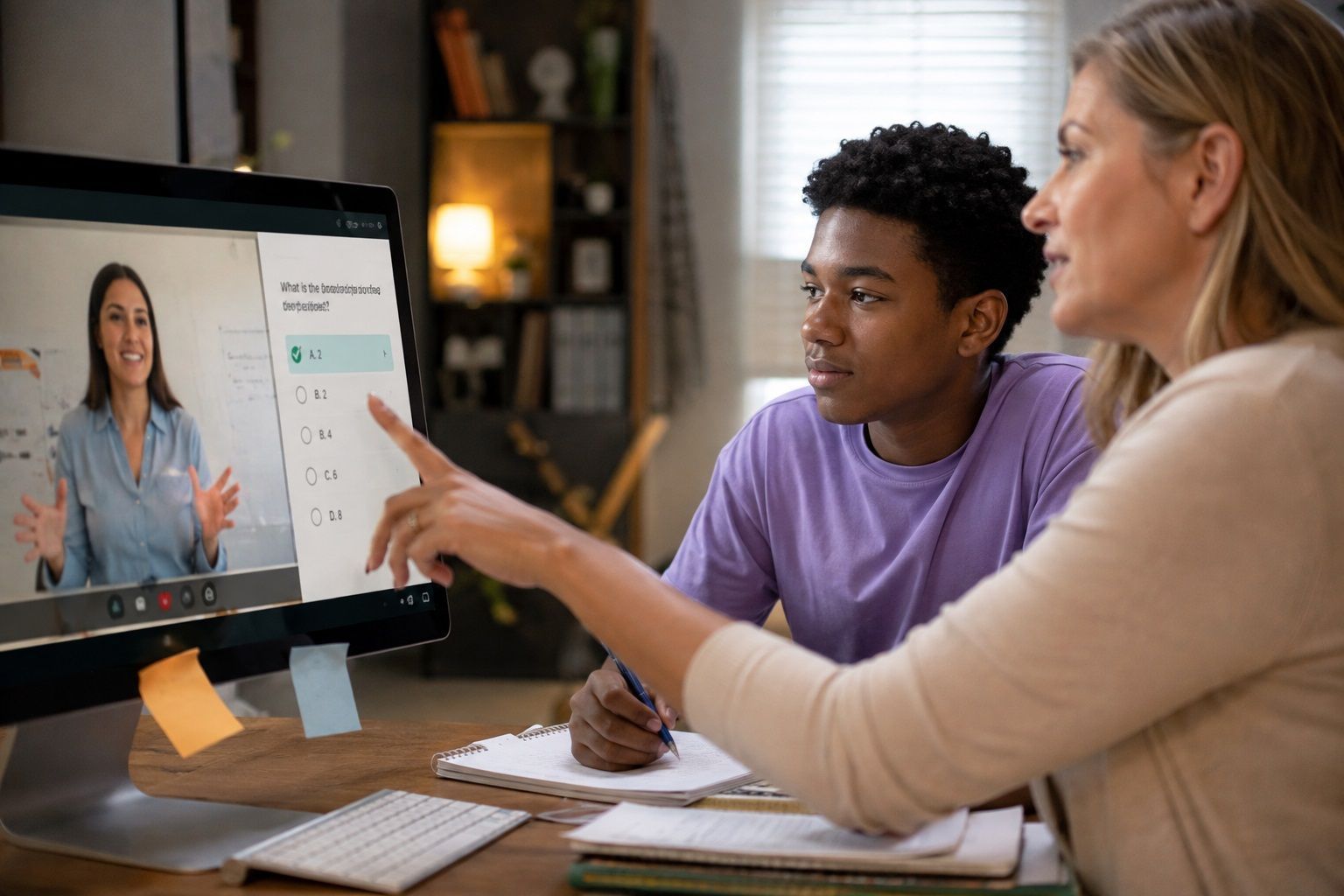
Moving back and forth between the virtual and physical space has undoubtedly influenced our children’s socialising ability. Children have shifted from everyday social experiences such as meeting at school to a virtual experience where social connections are harder to make and may require intervention from a parent or teacher who can feel uncomfortable. Feeling disconnected or isolated can happen in both a physical and online environment as revolutionary as online learning or online home-schooling, those involved need to be aware of the importance of social connections.
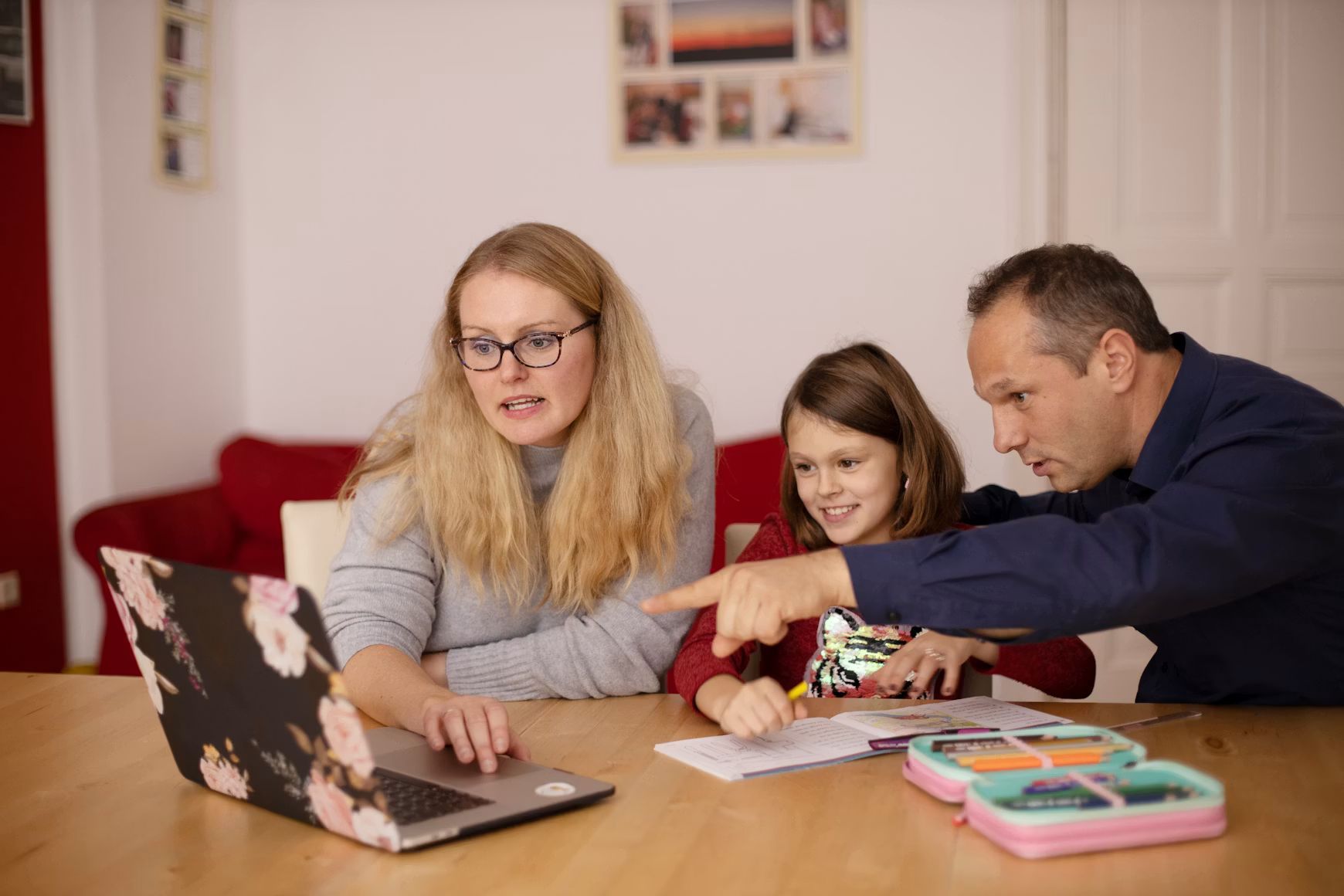
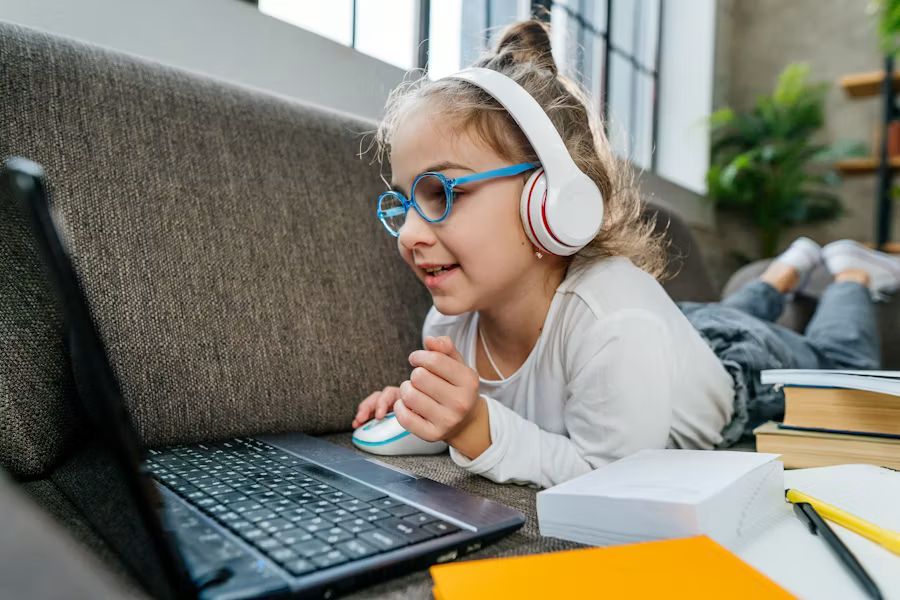
Being in the comfort of our home allows learning to happen in a truly comfortable environment. Due to this, children can experience higher levels of virtual social anxiety when needing to connect with their peers outside of the learning environment. As a parent, it is essential to combat these developments or move and work towards remedying them once they have been identified. The following behaviours can be signs of social anxiety and should be monitored:
- They lack the desire to connect and communicate outside their immediate family circle.
- Showing significant discomfort when communicating with others on a personal level, beyond learning and teaching content.
- Showing an increasing lack of desire to interact with children of their age in a “real-life” setting.
- Hiding away.
- Not wanting to talk or play.
However, providing opportunities and creating expectations can be a healthy way to overcome or combat the development of social anxiety. Some coping strategies for online learning and creating a space that fosters social interaction may be:
- Getting out of their “comfort space” to go for walks.
- Going to a library where there are opportunities to talk to and see other people.
- Participating in non-academic activities and even something as simple as getting involved in community projects.
More particularly, creating opportunities for them to connect with children with the same or similar interests is an effective way not to force social interaction but rather encourage it, as this will be the best footing when overcoming the discomfort of social anxiety.
Written by Cherie Pieterse – Evolve Online School Activator