Online School Myths Debunked: What Parents Really Need to Know
Key Takeaways
- Online school isn’t automatically less rigorous: Quality depends on the curriculum, teachers, accreditation and assessment, not the physical location of learning.
- Online school students are not necessarily isolated: Social connection remains important but may require more intentional planning.
- Online school isn’t only for gifted learners: Structure, teacher support and flexible pacing can benefit a wide range of learners.
- Parents don’t have to become teachers: In a structured online school, qualified teachers provide instruction while parents provide support.
- Online qualifications can be recognised: Parents should always verify the provider's accreditation, curriculum and assessment pathway.
- Online school isn’t right for everyone: The best choice depends on the individual learner and the family's circumstances.
It’s very natural to have many questions if you’re considering online school for your child. Will they receive the same quality of education as traditional school? Will they miss out socially? Will you have to be their teacher? And perhaps, is online school good for your child?
These are all reasonable concerns and not something we haven’t encountered before. For many families, online schooling is still unfamiliar. There’s also some information circulating that’s based on assumptions rather than how modern online schools actually operate.
This article looks at five of the most common online school myths and separates genuine considerations from misconceptions so you can make an informed decision.
Why Online School Myths Persist
Most parents experienced education in a conventional classroom, so that is naturally the model they use for comparison. Online school can look very different, which can make it difficult to know what to expect.
There is also understandable confusion between purposefully designed online schooling and the emergency remote learning many families experienced during the COVID-19 pandemic. Emergency remote learning was created quickly in response to an unprecedented situation. A dedicated online school is designed from the ground up around digital learning, with structured lessons, qualified teachers, academic support and systems built specifically for the online environment.
So, what are the most common homeschool myths in South Africa?
Myth 1: Online School Is Not as Academically Rigorous as a Traditional School
The myth: Online school is easier than conventional school and doesn’t provide the same academic standards.
The reality: A properly accredited online school can provide a rigorous, structured education aligned with recognised curricula and assessment standards.
The important distinction is between the delivery method and the qualification itself. If an online school follows an accredited curriculum and learners complete recognised assessments, their education is not automatically less rigorous because it happens online.
Online learning can also offer opportunities for greater flexibility. A learner who understands a concept quickly can move forward. If someone needs more time, they can revisit material and work at a pace that suits them.
For a closer look at the academic advantages of Evolve Online School, parents can explore how structured online learning supports academic progress.
So, is online school as good as traditional school South Africa? There is no universal answer. The quality depends on the school, curriculum, teaching and support. It’s not simply whether learning happens online or in a classroom.
Myth 2: Online School Students Become Socially Isolated
The myth: If children aren’t physically surrounded by classmates every day, they will become lonely and struggle to make friends.
The reality: Socialisation looks different in online school, but it doesn’t have to disappear.
Learners can build relationships through collaborative lessons, extracurricular activities, sports, community groups, social events and friendships outside the school environment. For some children, particularly those who have experienced bullying, exclusion or overwhelming social pressure, a different environment can make it easier to develop positive relationships.
However, this is one area where an honest caveat matters. Conventional schools provide built-in opportunities for daily interaction. With online schooling, parents may need to be more intentional about creating opportunities for their child to socialise.
If you’re wondering do online school students get lonely, the answer depends largely on the learner, their support network and how deliberately their social needs are addressed.
You can learn more about the social side of online schooling, including how learners can build meaningful connections beyond the physical classroom.
Myth 3: Online School Only Works for Exceptionally Motivated or Gifted Learners
The myth: Online school is only suitable for highly independent, academically gifted children who can manage everything themselves.
The reality: Good online schools are structured to support learners rather than simply expecting them to teach themselves.
Teachers, routines, deadlines, learning resources and regular support can provide the scaffolding learners need. Independence develops over time; it doesn’t have to be something a child already possesses before starting online school.
In fact, online learning can suit children who have struggled in conventional environments. A learner dealing with anxiety, learning differences, health challenges or a mismatch between their learning pace and the classroom average may benefit from a more flexible environment.
This doesn’t mean online school is automatically easier. Learners still need to participate, complete their work and engage with teachers. But the assumption that every successful online learner must be exceptionally self-motivated is one of the more persistent common misconceptions about homeschooling in South Africa and online education.
Myth 4: Parents Have to Become Full-Time Teachers
The myth: If your child attends online school, you will have to teach every subject yourself.
The reality: There is an important difference between online school and homeschooling.
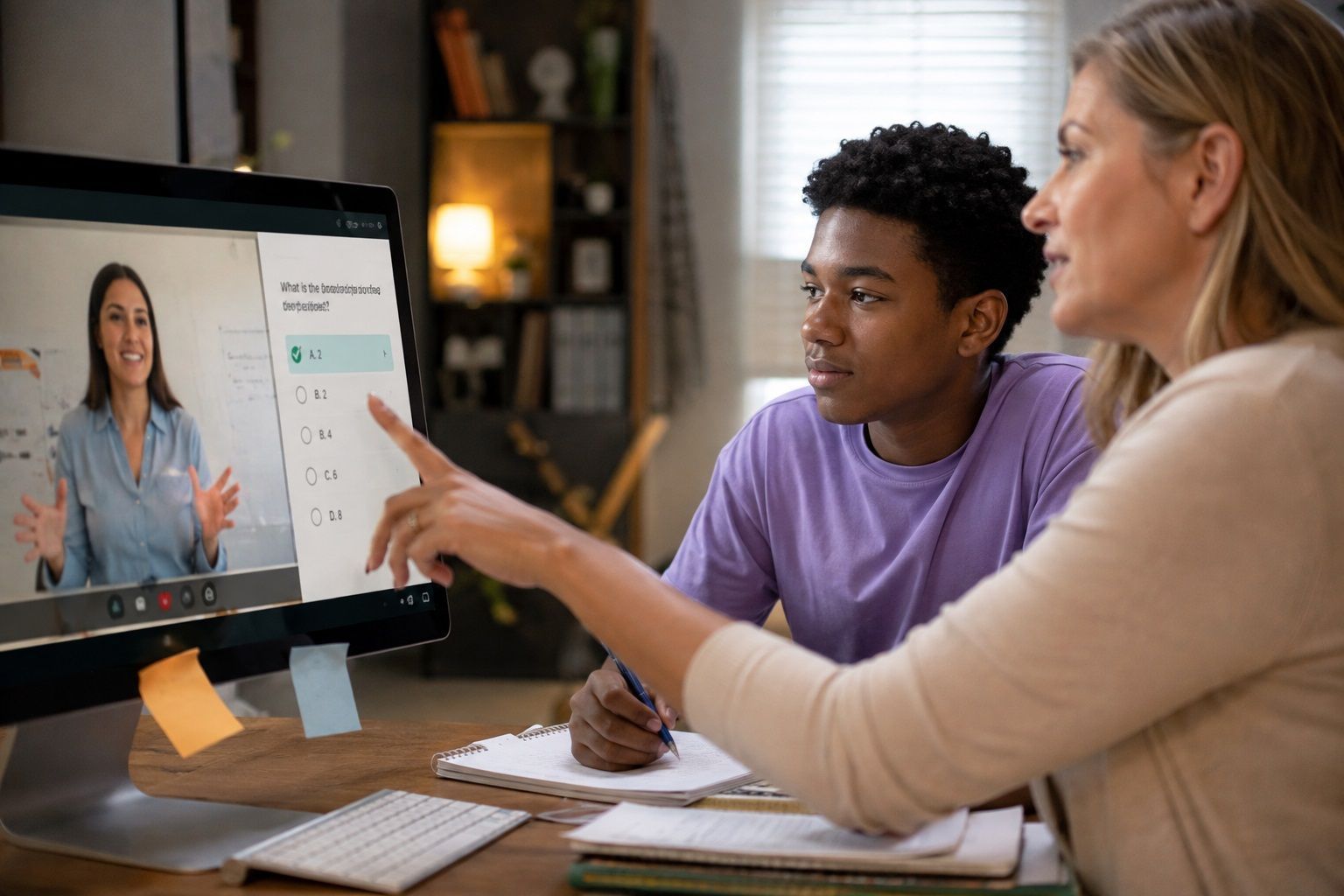
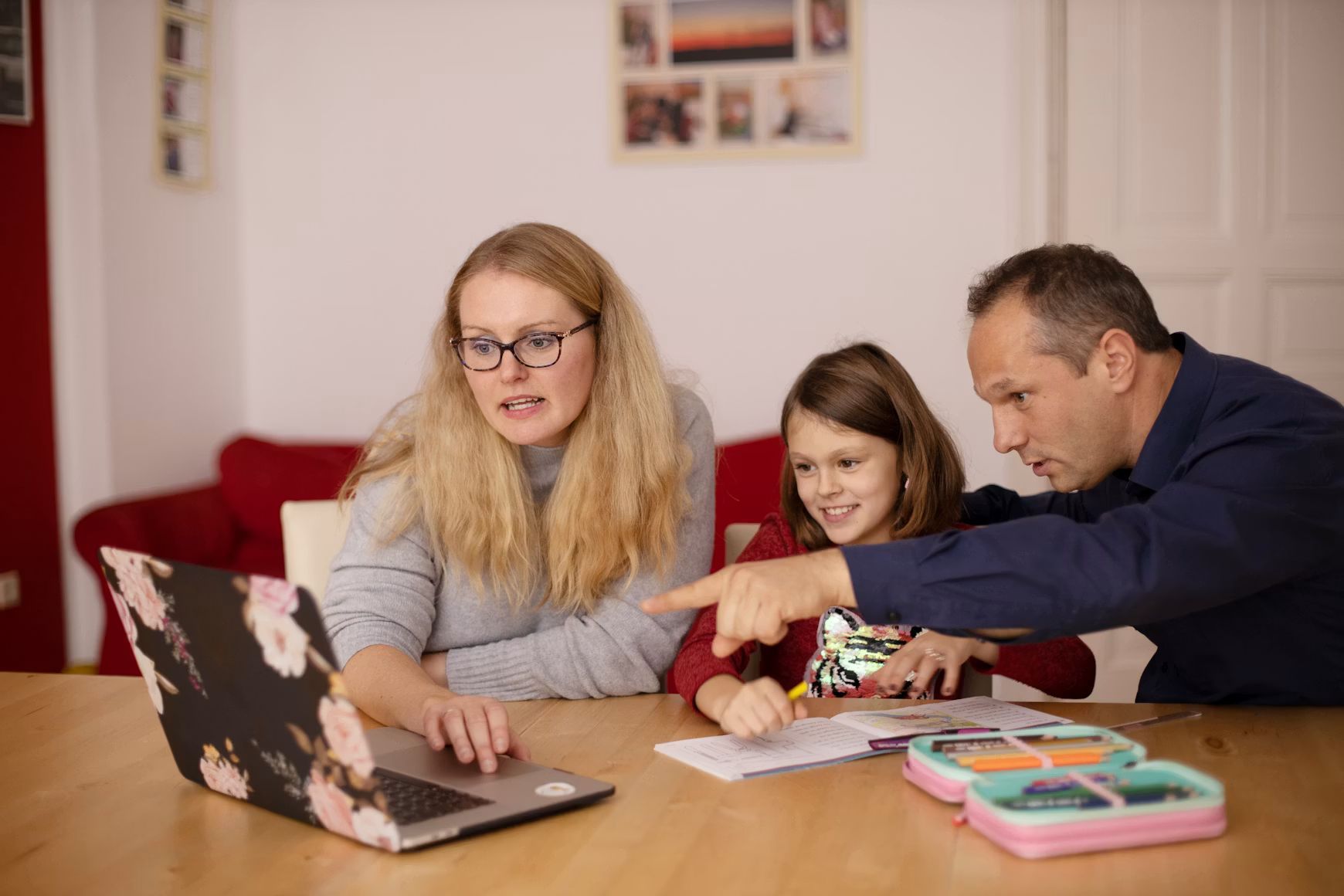
In a structured online school, qualified teachers deliver the curriculum and provide academic guidance. Parents generally take on a supportive role rather than becoming the subject teacher. That role might include helping to establish a consistent learning routine, providing a suitable workspace, checking that work is being completed and offering encouragement when your child needs it.
The amount of parental support can also change as learners get older. Younger children may need more hands-on supervision. Teenagers can gradually take greater responsibility for managing their school day.
So, do parents have to teach if their child does online school? Not necessarily. Ask any prospective school exactly what teachers provide and what level of parental involvement is expected before making a decision.
Myth 5: Online School Qualifications Are Not Recognised by Universities
The myth: Universities won’t recognise a qualification because the learner studied online.
The reality: Recognition depends on the qualification and the accreditation of the school and assessment body, not whether learning took place online.
For South African learners, this means parents should look carefully at the curriculum, accreditation and assessment pathway offered by an online school. An accredited provider offering a recognised National Senior Certificate, for example, gives learners a formal school-leaving qualification rather than an informal certificate for completing online lessons.
Are online school qualifications recognised by universities? That question should always be answered by looking at the specific provider and qualification involved.
Not every online education provider is the same. Before enrolling, ask who accredits the school, which assessment body oversees the qualification and what university pathways are available.
When Online School May Not Be the Right Fit
When considering online school, it’s important to understand the online school disadvantages truth as well as the benefits. Online school isn’t the right choice for every learner or every family.
A child who thrives on the energy, routine and constant social interaction of a large physical school may prefer conventional schooling. Similarly, online learning requires a degree of parental oversight, particularly for younger learners. Families without reliable internet access or a suitable learning environment may also face practical challenges.
Some learners require intensive in-person therapeutic, clinical or specialist support that cannot be adequately provided remotely. And while online school can develop independence, a learner who is consistently unwilling to engage with independent work may need a different educational structure.
The goal isn’t to prove that online school is better. It is to determine whether it is right for your child.
Thinking About Making the Switch?
If these online school myths have made you reconsider some of your assumptions, the next step is to investigate rather than simply take anyone's word for it.
Ask prospective schools about their accreditation, curriculum, teacher support, assessment, social opportunities and expectations of parents. If possible, speak to families who have made the switch and consider how your child's personality, learning needs and circumstances fit the model.
For parents ready to explore the practicalities, this guide to how to transition from traditional school to online school can help you think through the change.