Does Homeschooling Help Children With Anxiety?
Key Takeaways:
- Anxiety in children can interfere with academic and social development, making tailored learning essential.
- Homeschooling and mental health are linked, offering a flexible, supportive alternative for anxious learners.
- Benefits include personalised pacing, reduced triggers and increased family involvement.
- Potential challenges include socialisation gaps, parental commitment and risk of isolation, which can be mitigated with planning and support.
- Collaboration with mental health professionals, alongside structured curricula and homeschool support for anxiety, maximises both academic outcomes and emotional wellbeing
Awareness of childhood mental health has been steadily growing over the years. Today, many parents are looking at alternative schooling options for children who experience anxiety. Homeschooling is increasingly becoming a good option. This isn’t only for the academic flexibility it provides but also how it helps address emotional wellbeing. Understanding the intersection between homeschooling and mental health can help parents determine if this approach is a viable option for their child.
Understanding Anxiety in Children
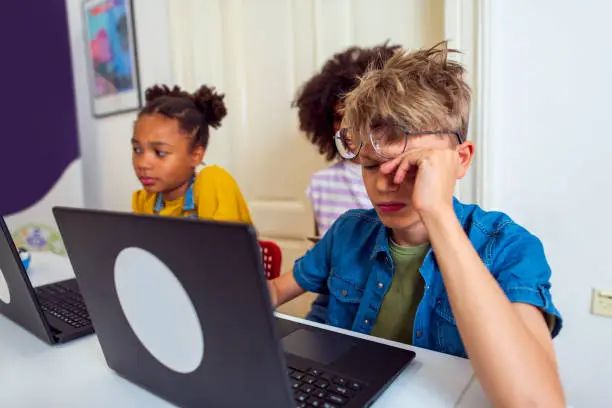
Anxiety in children can range from occasional worry to persistent clinical conditions such as generalized anxiety disorder or social anxiety. Common triggers in school environments include academic pressure, bullying and challenging social situations. According to the
National Alliance on Mental Illness, approximately 7% of children aged 3–17 experience an anxiety disorder each year. This makes it one of the most prevalent childhood mental health concerns. Recognising the signs, which present as irritability, avoidance of school or frequent stomach aches can help parents identify when education is exacerbating stress.
Read our article on effective strategies to reduce online school anxiety in children
What Is Homeschooling?
Homeschooling, legally recognised in the UK, in South Africa under the South African Schools Act and in many other countries, is an educational option in which parents take responsibility for their child’s learning outside of traditional school settings. Homeschooling can take many forms. These include structured curricula,
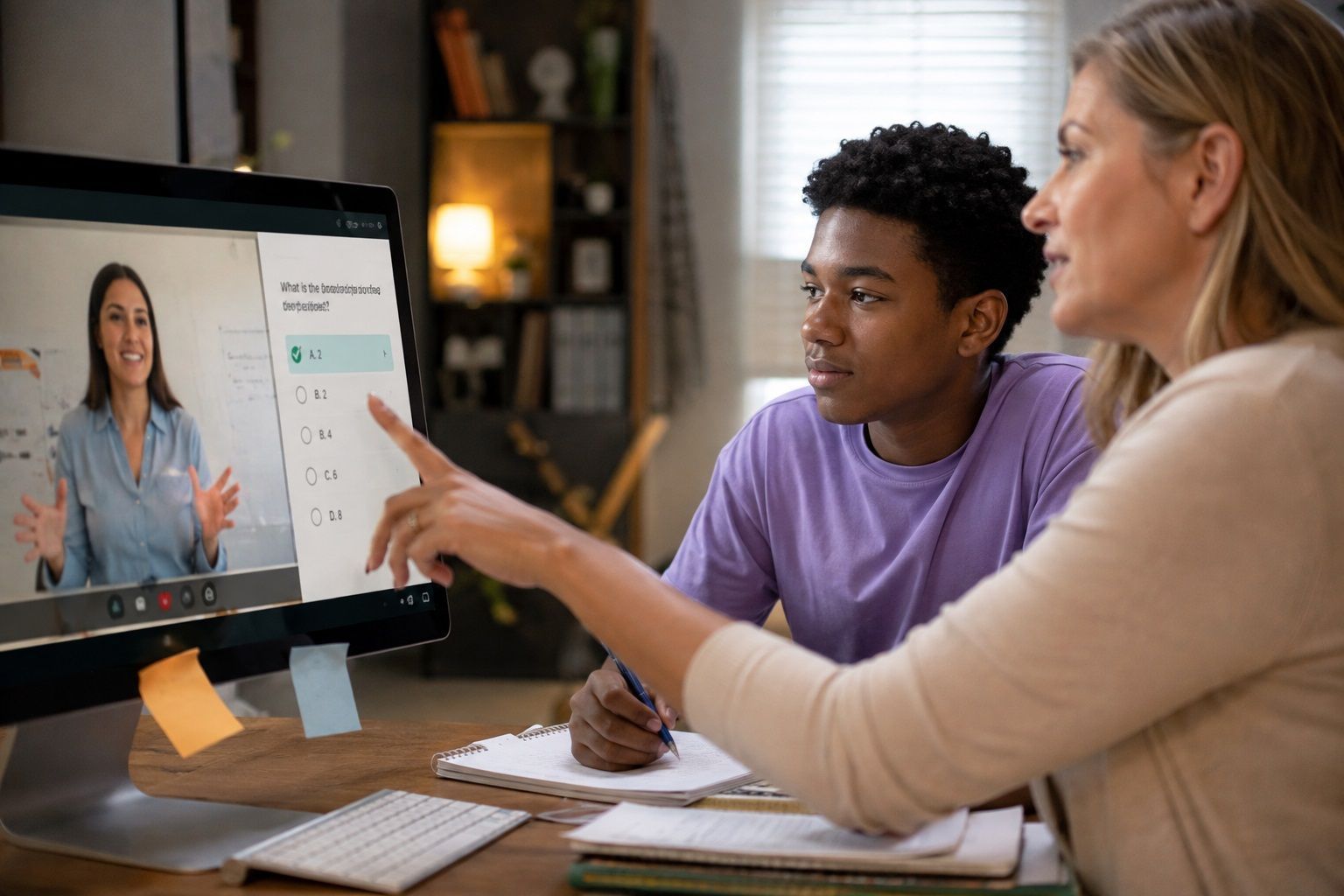
home education online, unschooling or blended approaches. Families choose homeschooling to gain flexibility, personalise the learning experiences of their children or to support children with special emotional or developmental needs.
Today, accredited online high schools in South Africa make it possible for learners to study from home while following recognised curricula, helping anxious students maintain academic progress in a calm, supportive environment, throughout their school careers.
How Homeschooling Can Support Children with Anxiety
For children struggling with anxiety,
homeschooling and mental health are closely linked. Key benefits include:
Flexible learning pace and environment
Homeschooling allows children to progress at a rate that’s comfortable for them, suits their understanding and reduces academic stress.
Reduced exposure to common anxiety triggers
By removing challenges like bullying, noisy classrooms, performance pressure and peer pressure, children may feel safer and more confident.
Personalised learning
Curricula can be tailored to suit learning styles, interests and emotional needs. This fosters both engagement and achievement.
More family involvement and emotional support
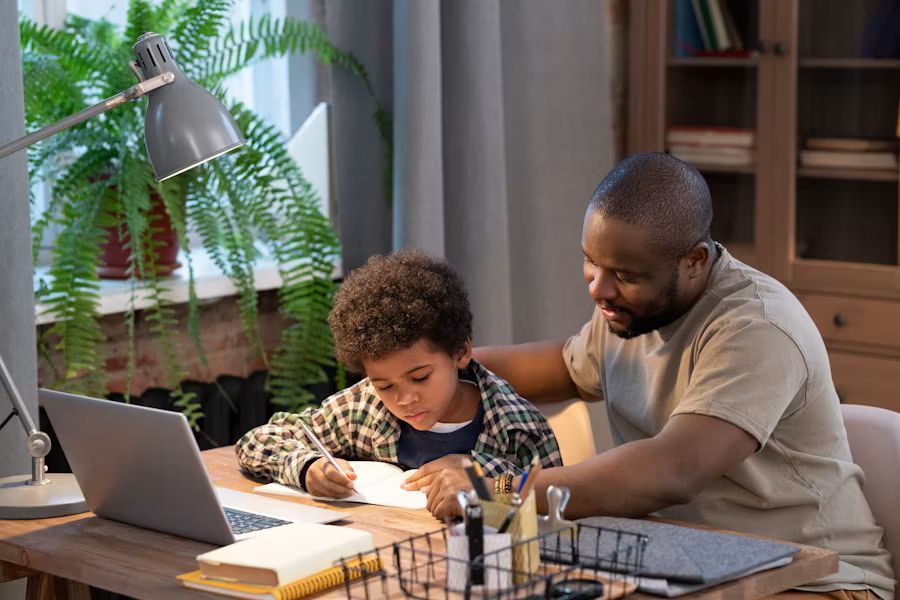
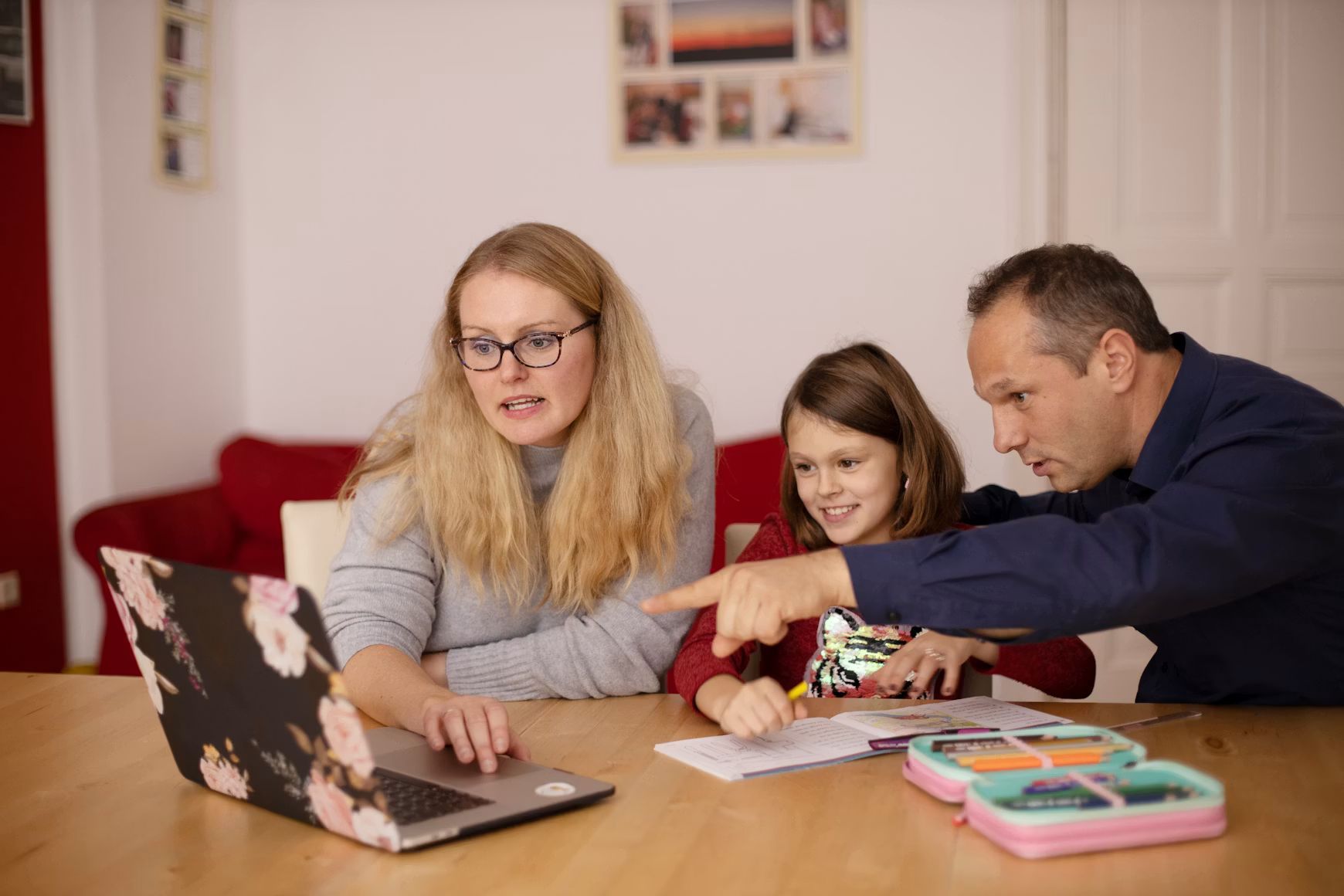
Parents can monitor their child’s mental wellbeing closely, provide reassurance and integrate coping strategies into their daily routines.
Research from the Home School Legal Defence Association (HSLDA) suggests that homeschooling can improve emotional regulation and decrease anxiety for children who struggle in conventional school settings. Experts in child psychology highlight that a consistent, supportive environment is a critical factor in reducing school-related stress.
Challenges and Considerations of Homeschooling Anxious Children
While the
benefits of homeschooling are significant, there are considerations parents should be mindful of. These include:
- Lack of peer socialisation: Children may have fewer opportunities for day-to-day interaction with peers. This can affect social skill development if it’s not supplemented in other ways.
- Parental stress and time commitment: Homeschooling requires significant dedication and energy from parents, which can be challenging for families who are managing anxiety together.
- Risk of isolation: Without planned social activities or community engagement, children may feel isolated.
- Need for professional therapy/support in conjunction: Homeschooling should complement and not replace mental health support when necessary.
Collaboration with psychologists or counsellors ensures children receive holistic care.
When these challenges are understood, balanced planning can be implemented to mitigate these challenges. When done correctly, homeschooling can support both learning and emotional wellbeing.
Real Experiences and Case Studies
Many families have found that
homeschooling can be transformative for children with anxiety, offering them a calmer and more supportive learning environment. According to a review published by the
National Home Education Research Institute (NHERI), homeschooled individuals often report
lower levels of anxiety and stronger emotional stability than the general population as they grow older. Similarly, Spectrum Local News notes that children struggling with
anxiety disorders often feel more comfortable learning at home, away from overstimulating or high-pressure school settings.
These findings suggest that when supported with structured routines, emotional guidance and accredited educational programmes, homeschooling can offer both academic progress and mental health benefits for anxious learners.
Professional and Educational Guidance
Educational consultants and psychologists recommend a measured approach when considering homeschooling for anxious children. Key guidance includes:
- Conducting a thorough assessment of your child’s anxiety triggers.
- Tailoring the learning environment to minimise stressors.
- Maintaining structured routines alongside flexibility to support emotional regulation.
- Incorporating socialisation opportunities through clubs, sports or online communities.
- Seeking ongoing professional support when it is necessary.
Such strategies are helpful in ensuring that homeschooling complements, rather than replaces, professional mental health interventions.
Is Homeschooling Right for Your Child?
Before making this major decision, parents should evaluate:
- Severity of anxiety: Is it mild, situational or chronic?
- Access to resources: Are suitable curricula and online platforms available?
- Child’s personality and learning style: Will they thrive in a home-based, flexible setting?
- Parental availability and support network: Can parents dedicate the necessary time and emotional energy required?
Answering these questions helps determine whether homeschooling aligns with your child’s academic and emotional needs, as well as your ability to support them.
Homeschooling can be a valuable alternative schooling option for children experiencing anxiety. With personalised pacing, reduced exposure to common stressors and increased parental support, it addresses both educational and emotional needs. However, it must be noted that it requires careful planning, access to resources and integration with professional mental health support. For families who are prepared to commit time and effort, homeschooling can foster confidence, resilience and a love of learning while supporting overall mental wellbeing.