Understanding Anxiety in Online School Students
Anxiety can significantly impact students' lives, affecting their physical, emotional, social, behavioral, academic, and cognitive well-being. Recognising these signs early and providing appropriate support can make a substantial difference, empowering educators and parents to take proactive steps in supporting their students. Anxiety can manifest and present itself in a variety of ways. However, not all students will experience this manifestation in the same way.
Ways in which anxiety can manifest in students:
1. Physical Manifestations
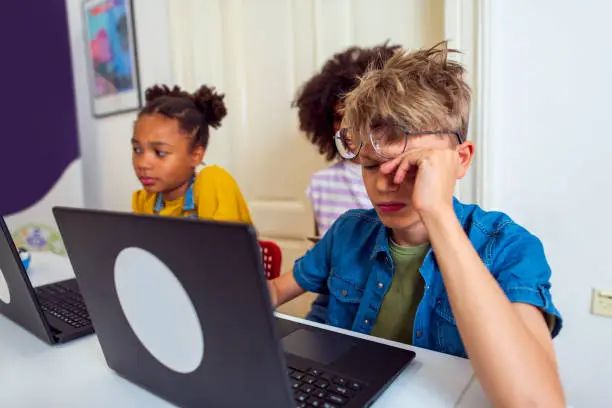
Students often report feeling "sick" during school activities. This can manifest as stomach aches, headaches, or overall fatigue. It's important to note these complaints, as they are often a response to anxiety rather than actual illness.
2 .Emotional Responses
Emotionally, anxiety can lead to irritability and frequent mood swings. Students may display excessive fears or worries about various aspects of their lives, even those beyond their control. They might also cry easily or become teary when overwhelmed.
3. Social Difficulties
Socially anxious students may struggle to interact with peers, constantly seeking support or reassurance. This can lead to withdrawal and difficulties in forming and maintaining friendships.
4. Behavioral Changes
Behaviourally, anxiety often results in avoidance of school-related tasks. These students might find concentrating challenging and usually appear reserved or withdrawn.
5. Academic Impact
Academically, anxiety can cause a noticeable decline in performance. Students may need more reassurance to complete tasks they previously managed independently.
6. Cognitive Effects
Cognitively, anxiety can push students towards perfectionism and overly critical self-evaluation. Negative thoughts about their performance, social interactions, and prospects can become pervasive.
7. In-Class Behaviour
In the classroom, anxiety may manifest as fidgeting, keeping the camera or microphone off during online classes, avoiding eye contact, and shunning group work and discussions.
How to support anxious students
Establish a Predictable Routine and Environment
- Create a Structured Daily Schedule: Clearly outline class times, breaks, meals, and recreational activities. Predictability helps reduce anxiety by providing a sense of control and stability.
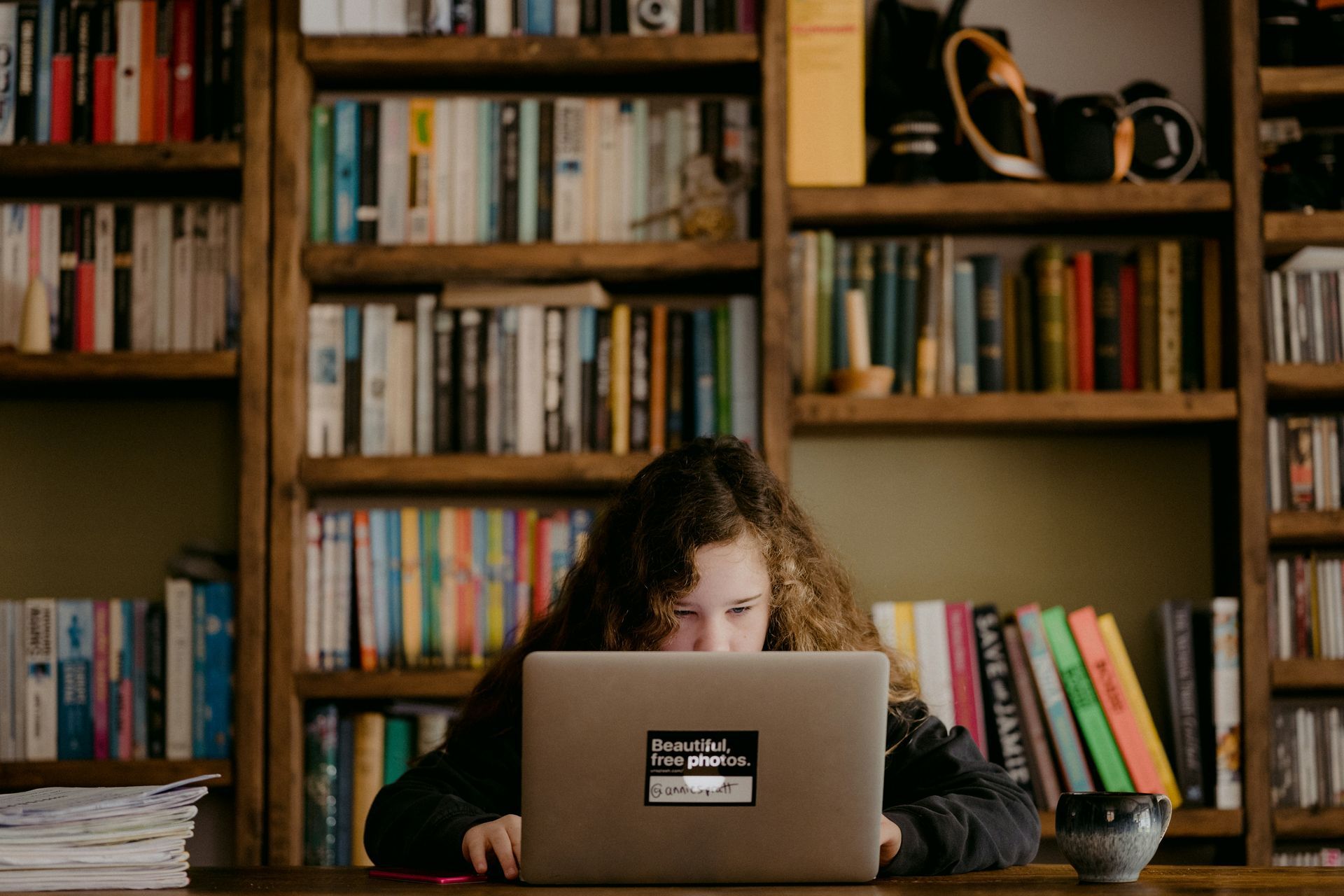
- Designate a Quiet, Comfortable Workspace: Ensure the student has a dedicated area for learning that is free from distractions and encourages focus. Personalising this space with comforting elements can also be beneficial.
Emotional Support and Communication
- Encourage Open Dialogue: Create a safe space for students to express their feelings about school and other stressors. Please encourage them to share any worries or concerns.
- Validate Their Emotions: Acknowledge their anxiety and reassure them that feeling this way is okay. Offer empathy and understanding to help them feel supported.
- Teach Coping Strategies: Help the student develop techniques for managing anxiety, such as deep breathing exercises, mindfulness practices, or positive self-talk.
Encourage Social Connections and Engagement
- Encourage Virtual Social Interactions: Facilitate opportunities for students to connect with classmates through online platforms, virtual study groups, or scheduled video chats.
- Support Participation in Online Activities: Encourage students to engage actively in online classes and virtual discussions. Offer praise and positive reinforcement for their efforts.
- Balance Screen Time with Offline Activities: Ensure the student has opportunities for physical activity, creative play, and social interactions outside of online schooling. This balance helps prevent burnout and promotes overall well-being.
In Conclusion
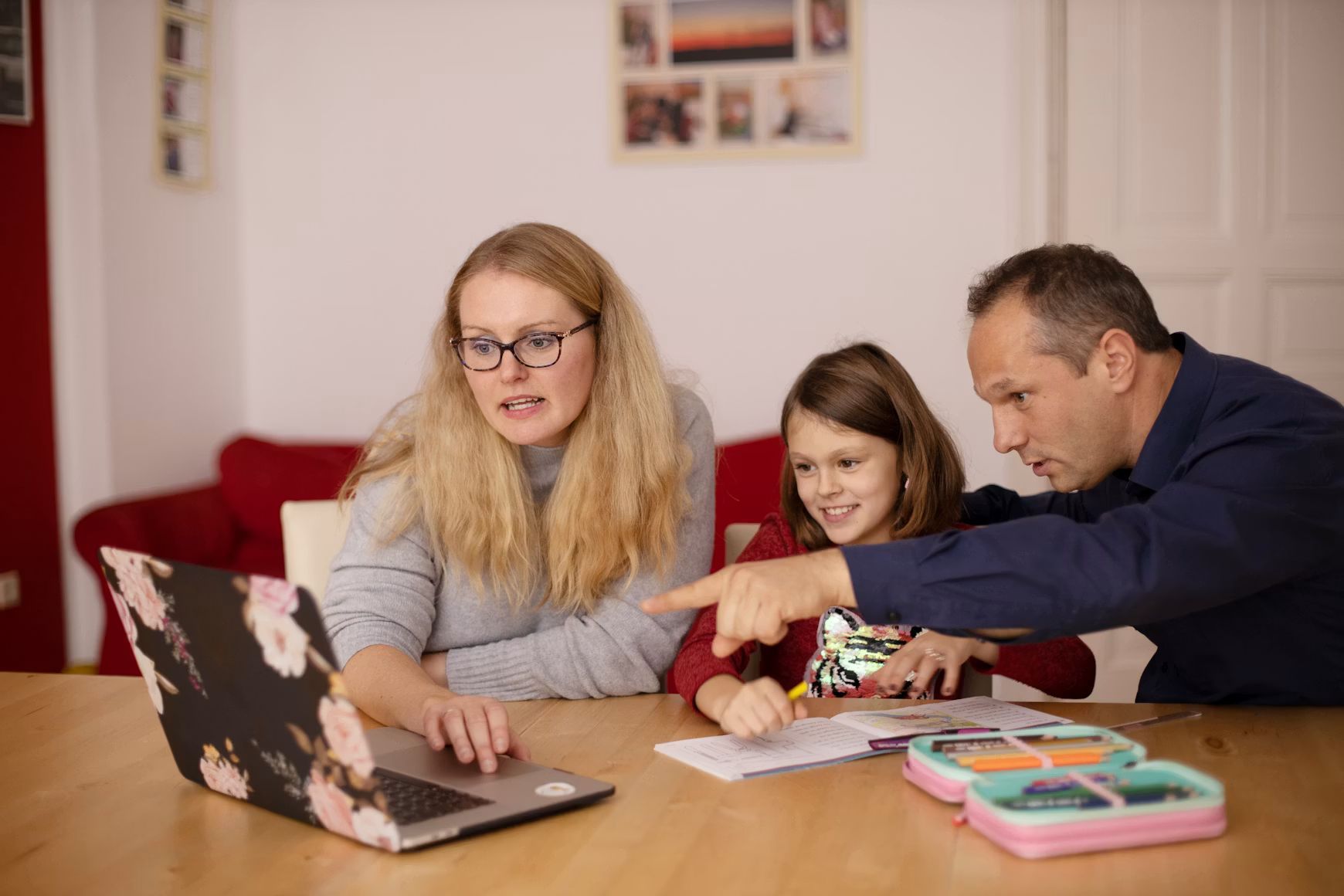
Anxiety can present in many forms, impacting students physically, emotionally, socially, behaviourally, academically, and cognitively. By establishing a predictable routine, promoting emotional support and communication, and encouraging social connections, educators and parents play a vital role in significantly alleviating the anxiety that students experience, creating a more supportive and effective learning environment.
Frequently Asked Questions
What causes anxiety in online school students?
Online school anxiety can stem from social isolation, lack of face-to-face interaction with peers, technology challenges, time management difficulties, and reduced structure compared to traditional classrooms. Studies show high prevalence rates of anxiety among remote learning students, particularly when students struggle with self-regulation and independent learning requirements.
How can parents recognise signs of anxiety in their online school children?
Common signs include reluctance to attend virtual classes, difficulty concentrating during online lessons, physical symptoms like headaches or stomachaches, sleep disturbances, irritability, and withdrawal from family activities. Students may express worries about failing, not fitting in, or being overwhelmed by their responsibilities, and show changes in appetite or mood.
Can online schooling actually help reduce student anxiety?
Yes, online schooling can significantly reduce anxiety for many students. Online schooling offers a flexible learning environment that can reduce anxiety by allowing students to learn at their own pace and minimise stress from in-person classrooms. With less peer-pressure, a quieter and more focused environment and learning from the comfort of their own home, homeschooling offers multiple benefits to help relieve the feelings of anxiety.
Why do some students experience social anxiety in traditional schools but thrive online?
Traditional schools can trigger social anxiety through peer pressure, public speaking requirements, crowded environments, and social comparison. You don't have to worry nearly as much about your outfit, how your ideas will be received, or any number of the mortifying possibilities that go along with being a traditional student
when learning from home in a comfortable, familiar environment.
How can online schools support students with anxiety disorders?
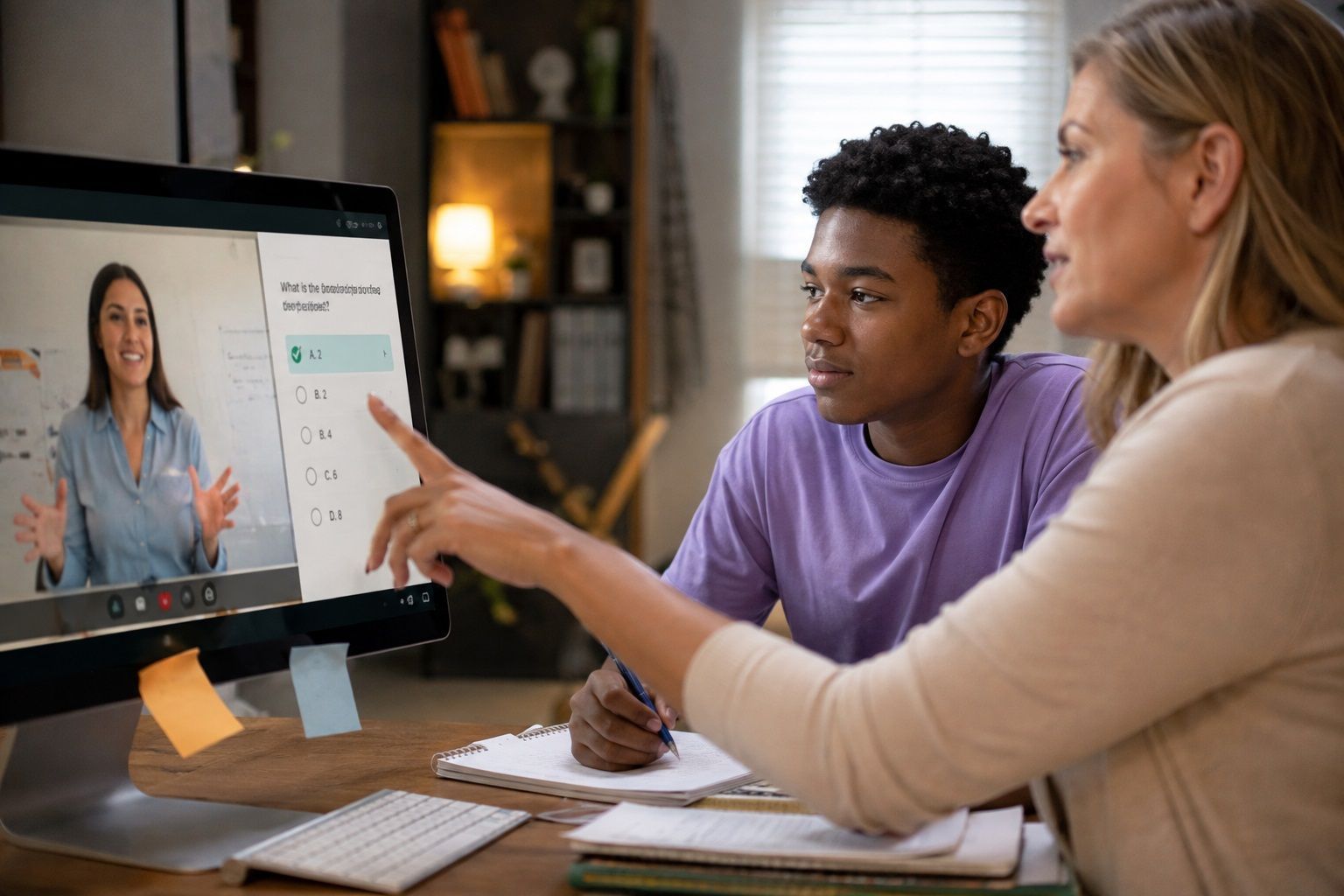
Online schools can provide personalised learning schedules, one-on-one teacher support, flexible deadlines, and reduced social pressure. They can offer mental health resources, allow students to work at their own pace, and create supportive virtual communities. Schools should also maintain regular check-ins and provide clear communication channels for students needing additional support.
What strategies help online students manage anxiety effectively?
Effective strategies include establishing consistent daily routines, creating dedicated study spaces, taking regular breaks, practicing stress-relief techniques like deep breathing, maintaining social connections through virtual activities, and allotting daily time to de-stress can help your child manage stress and anxiety, become more mindful, and find a creative outlet to express themselves.
Should parents be concerned about their child avoiding social situations through online schooling?
While online schooling can provide relief from social anxiety, parents should ensure children still engage in social activities. A child who is homeschooling to avoid social interaction or separating from caregivers is by definition suffering from an anxiety disorder. Balance is key - online school should reduce unhealthy stress while still encouraging appropriate social development.
When should parents seek professional help for their online student's anxiety? Seek professional help if anxiety interferes with daily functioning, academic performance significantly declines, physical symptoms persist, or the child expresses hopelessness or self-harm thoughts. If anxiety prevents participation in online classes or social activities for extended periods, a mental health professional can provide specialised strategies and support for both students and family.