A Day in the Life of an Online School Student in South Africa
Key Takeaways
- A typical online school day is structured, teacher-led and purposeful. It’s not informal or unmonitored
- Live lessons run throughout the day with real-time teacher and peer interaction
- Independent study is guided, not unsupported. Tasks are set and teachers remain available
- The day is personalised to each learner’s pace and subject needs
- Breaks and screen time balance are built into the schedule
- Social connection happens daily through lessons, collaboration and peer interaction
- The flexible afternoon gives students and families meaningful time back
Imagine not having to do the school run every day, not having to wear a school uniform or wait for a school bus. Imagine a student settling into a dedicated study space, logging in and starting the day on their own terms. That’s what online school is like in practice. It’s structured and purposeful, but built around the learner rather than the system. This article walks through a typical day online student SA would experience at Evolve, from morning login to afternoon wind-down.
Starting the Day: Morning Routine and Login
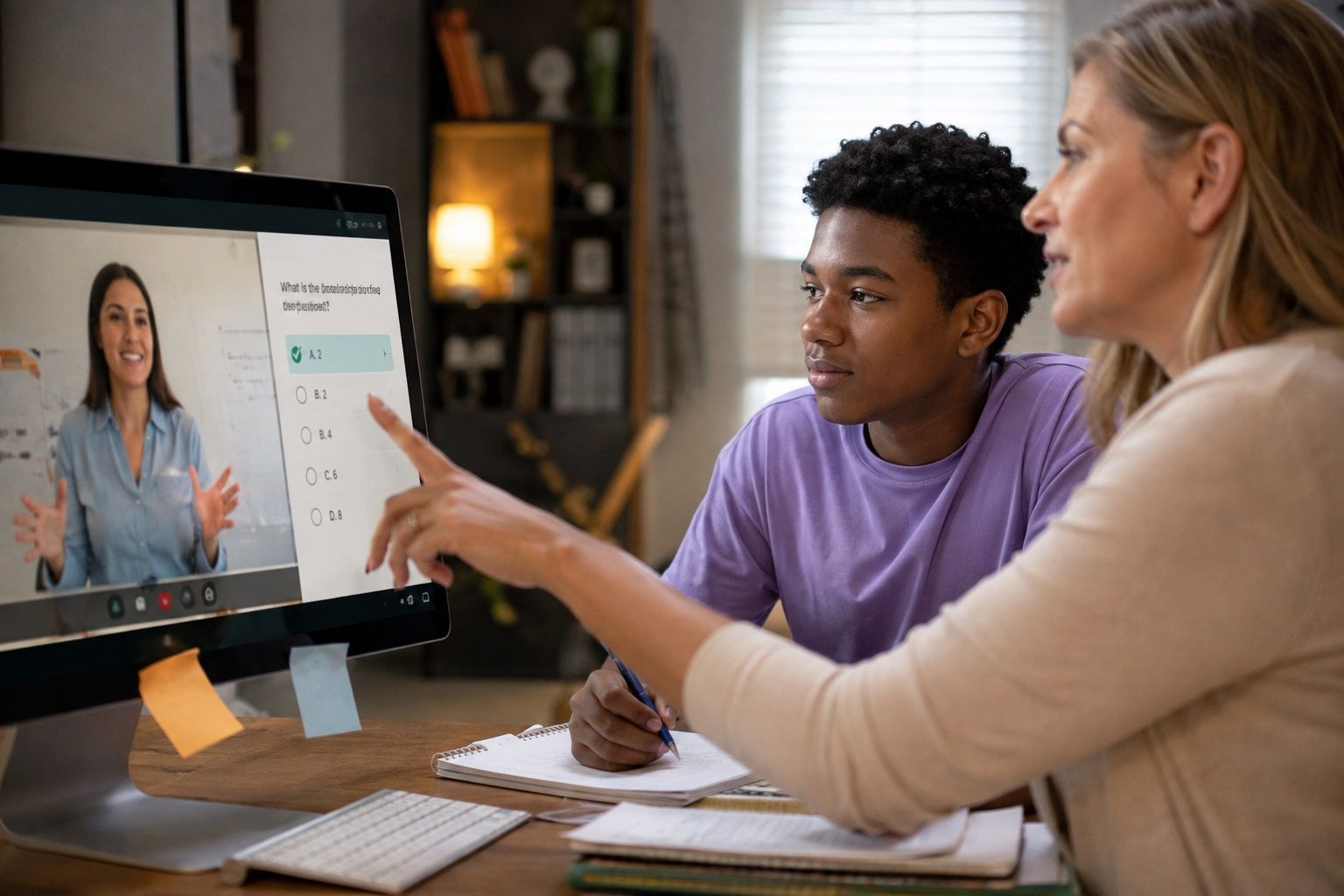
The online school daily schedule typically begins in the morning and is more flexibile than a traditional school bell allows. Students log into Evolve’s platform and they check their timetable for the day. Then they settle into their study space before the first live lesson begins.
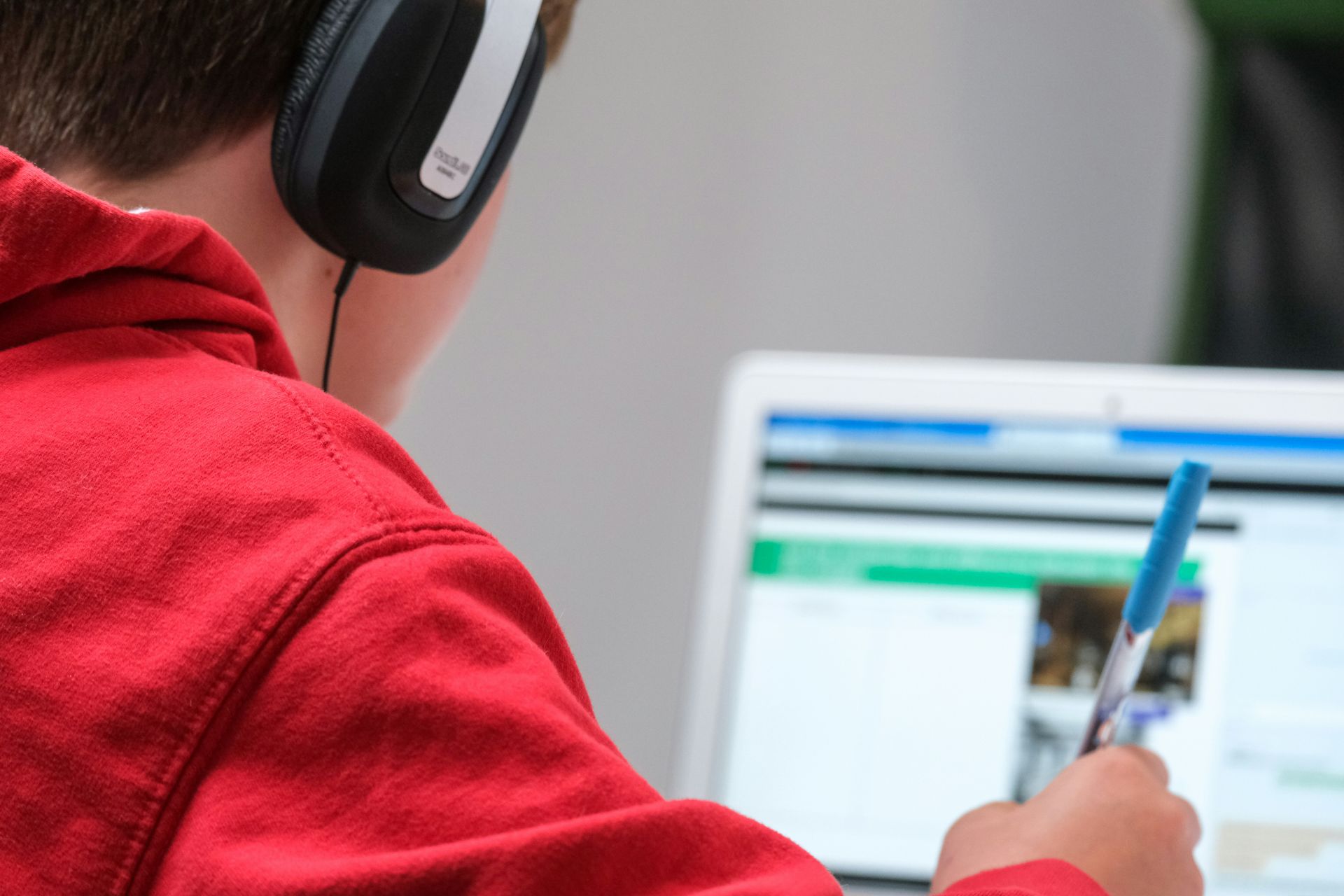
The space where the student sits matters. A quiet desk, a reliable device and headphones that are ready ensures that the morning setup takes minutes. Without a commute eating into the day, students often start feeling more alert and less rushed than their traditionally schooled peers. This is a calmer and more intentional beginning.
Live Lessons: Structure and What They Look Like
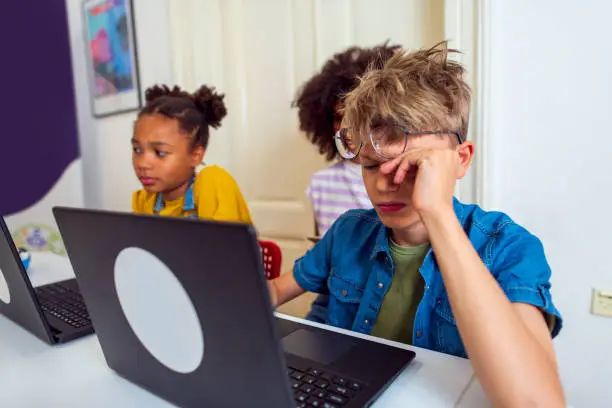
Do online school students have live classes? Live lessons are at the heart of the day in the life online school student experience. These are real-time, teacher-led sessions where students can ask questions, contribute to discussions and interact with their classmates. It’s not passive video streams.
How live lessons work at Evolve is built around genuine engagement. Teachers present content, check understanding and respond to students in real time. The virtual classroom is an active space. Students unmute to answer questions, type responses in the chat and work through problems together.
Independent Work and Self-Paced Study Time
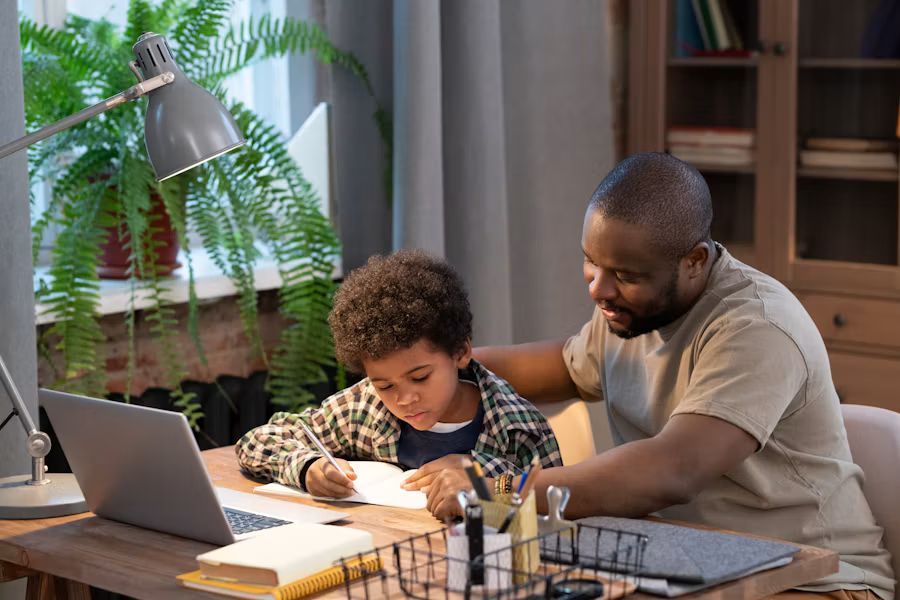
Alongside live lessons, how much independent work online school students do is a common question from parents. To answer that, it’s a meaningful portion of the day, but with full teacher oversight and clear structure.
A sample day might look like this:
- Morning: two or three live lessons across different subjects
- Mid-morning: independent tasks linked to the morning’s content
- After lunch: one or two further live sessions or guided study blocks
- Late afternoon: review, assignments or reading
How is an online school day structured this way? It mirrors the cognitive rhythm of a learner which is focused instruction followed by consolidation time. Students aren’t left to figure it out alone. Tasks are set, deadlines are clear and the teachers are always available.
How the Day Is Personalised to Each Student
No two learners are the same. What is a typical online school timetable like in South Africa at Evolve isn’t a one-size-fits-all grid. Our tailored approach means pacing, subject support and the balance of live versus independent learning are adjusted to suit each student’s needs.
A student who grasps a concept quickly can move ahead without waiting for the rest of the group. A student who needs more time on a topic gets it, without the embarrassment of falling behind in a classroom setting. That flexibility is one of the most significant differences between online and traditional schooling.
Breaks, Movement and Screen Time Balance
Screen time is a genuine parental concern and it’s worth addressing directly. A well-structured online school daily schedule builds regular breaks into the day. These aren’t just for rest, they’re for physical movement and mental reset.
Students step away from their screens between lessons. They eat, move and go outside for some fresh air. The day doesn’t require six unbroken hours in front of a monitor. Parents can actively support this by encouraging a short walk, a snack break or five minutes away from the desk between sessions. It’s healthier than it might sound and often healthier than a traditional school day allows.
Staying Connected: Friends and Social Time
How do online school students socialise during the day? This is more than most people expect. Live lessons create daily peer interaction. Students recognise each other’s voices, build in-jokes, collaborate on tasks and form genuine friendships. This is all done without the social pressure of a physical classroom.
For a fuller picture of this, read more on staying socially connected and how online learners build meaningful social lives beyond the school day through extracurriculars, community activities and peer groups.
The Afternoon: Wrapping Up and After-School Time
By mid-afternoon, the formal school day typically wraps up. What follows is time the student gets back. Time that, in a traditional school, would be absorbed by travel, waiting and winding down from a long day in a busy environment.
That recovered time is used differently for every family. Some students pursue sport, music or other interests. Some rest. Some use it for reading or creative work. The flexible afternoon is one of the genuine quality-of-life advantages of the online school model and this is true for both students and parents alike.
How This Compares to a Day in Traditional School
What does a typical day look like for an online school student versus a child in traditional school? The core difference is agency. Traditional school operates on a fixed schedule regardless of the individual learner. Online school structures the same academic content around the student’s pace, energy and needs.
This doesn’t mean less learning or less teaching. There’s simply more room for the student to actually thrive within the day. For a full picture of what sets this model apart, explore the advantages of Evolve Online School.
FAQs
- What time does the online school day usually start and end?
At Evolve, the school day typically follows a structured morning-to-afternoon timetable, starting around the same time as a traditional school day. The exact schedule varies by grade and subject load, but most students are done with formal lessons by mid-afternoon. This is earlier than many traditionally schooled peers once travel time is factored in. - How many live lessons does a student attend each day?
The number varies by grade and timetable, but students typically attend multiple live sessions each day across different subjects. These sessions are scheduled throughout the morning and early afternoon, balanced with independent study time in between. - What happens if a student misses a live lesson?
Missed live lessons aren’t lost. At Evolve, sessions are recorded so students can catch up at a time that suits them. Teachers are also available to provide support if a student needs to revisit content or clarify anything they missed. - How much independent study time is built into the day?
Independent work makes up a significant portion of the school day alongside live lessons. It’s structured and task-based, not free time. Students work through set assignments, reading and practice activities with clear guidance and deadlines, all overseen by their teachers. - How do online school students make friends?
Friendships form naturally through daily live lessons, where students interact, collaborate and build familiarity over time. Many online school students also maintain social connections through extracurricular activities, sports clubs, and community groups outside of school hours.